маршрут
Mir cards don't work in Antalya. And that's not even the biggest problem.
A Belarusian traveller lands with a card that's supposedly "accepted everywhere abroad" — and hits a wall. We break down what actually works for payments in Turkey, Egypt and the UAE, and why even the workarounds cost more than you'd think.
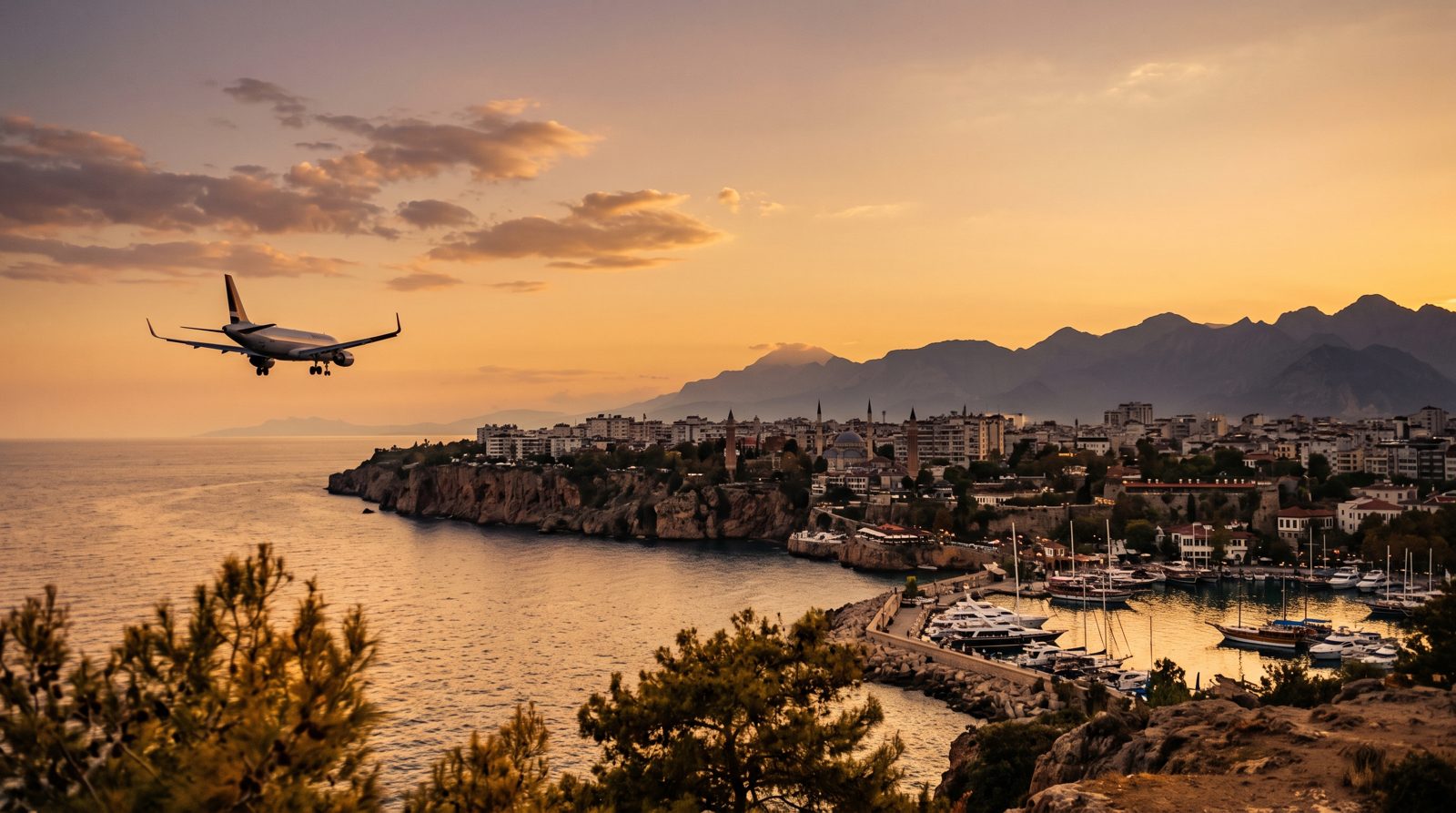
Turkish bank Halkbank, which Belarusians had been counting on for the past couple of years, quietly stopped accepting Mir cards back in late 2022 — under direct threat of US Treasury sanctions. Since then, the list of Turkish banks that take the Russian-Belarusian card has shrunk to almost nothing. So you fly into Antalya, pull out your Mir card, and the waiter looks at you like you've just handed him a Soviet ruble.
The main myth goes like this: Mir is the lifeline for anyone cut off from Visa and Mastercard. In reality, in the three most popular holiday destinations for Belarusians — Turkey, Egypt and the UAE — the card either doesn't work at all or works so erratically that you can't build a trip around it. In the Emirates, Mir was never widely accepted. In Egypt, it's hit-or-miss, entirely at the hotel's own risk. In Turkey, the window has slammed shut.
That leaves a two-part combination: cash and a card from a foreign bank. And this is where things get into territory that nobody in the travel chats talks about.
Cash: euros and dollars — but not just anywhere
Bring cash — that's the baseline. But not Belarusian rubles (they're exchanged abroad at extortionate rates, or not exchanged at all) and not Russian rubles (a whole separate headache). Take euros or dollars in banknotes, preferably smaller denominations — a shop won't have change for a hundred.
And keep one number in mind: the exchange rate at the arrivals hall of Antalya or Hurghada airport can be 10–12% worse than in the city. That's not rounding — that's a tenth of your money gone because you couldn't be bothered to find a local exchange office or an ATM. Change just enough at the airport to get to your hotel and have dinner; exchange the rest in town.
The UAE follows a different logic: the dirham is tightly pegged to the dollar, the spread between rates is minimal, and cash there is really only needed for tips and taxis — almost everywhere takes cards.
A card that actually works
The genuinely functional plastic for a Belarusian is a card from a bank in a "friendly" jurisdiction, opened in person: Kazakhstan, Kyrgyzstan, Uzbekistan, Armenia. Visa or Mastercard issued there go through terminals in Turkey, Egypt and the UAE like any ordinary foreign card.
But here's the catch. The payment is converted at least twice: from the local currency into the card account currency, and on top of that the issuing bank adds its own fee for a foreign transaction — typically 1–3%. And if the terminal offers to let you "pay in rubles/tenge at our rate" (this is called DCC, or dynamic currency conversion) — decline it and pay in the local currency. DCC is consistently 4–7% more expensive.
One more thing: don't withdraw cash from an ATM using this card to try to save money. The fee for a foreign ATM withdrawal will eat up any exchange-rate advantage — and sometimes exceed it.
What to actually put in your wallet
A workable setup for a trip to Turkey or Egypt looks like this: euro banknotes for the first few days and any emergencies, plus a Kazakhstani or Armenian bank card for hotels, shops and car hire. Leave the Mir card at home — it won't be any use, and it'll just take up space in your wallet.
The Emirates are more forgiving: almost everything is handled by card, and cash is just a backup. But even here, a Mir card is dead weight.
The irony is that the "lifesaving" card around which Belarusians restructured their entire travel finances turns out to be less useful at a resort than a plain hundred-dollar bill. And unlike a payment network, a banknote can't be switched off by decree.
Sources
- Reuters — Турецкие банки сворачивают приём карт «Мир» под угрозой санкций США
- U.S. Department of the Treasury (OFAC) — Санкционные риски для иностранных банков, работающих с НСПК «Мир»
- Mastercard — Динамическая конвертация валют (DCC) и рекомендация платить в местной валюте